Custom Apparel Printing
Screen Printing vs DTF: Cost, Craft, and Getting Your Vision Out
When people ask me whether screen printing or DTF is better, the honest answer is:
it depends on what you are trying to make.
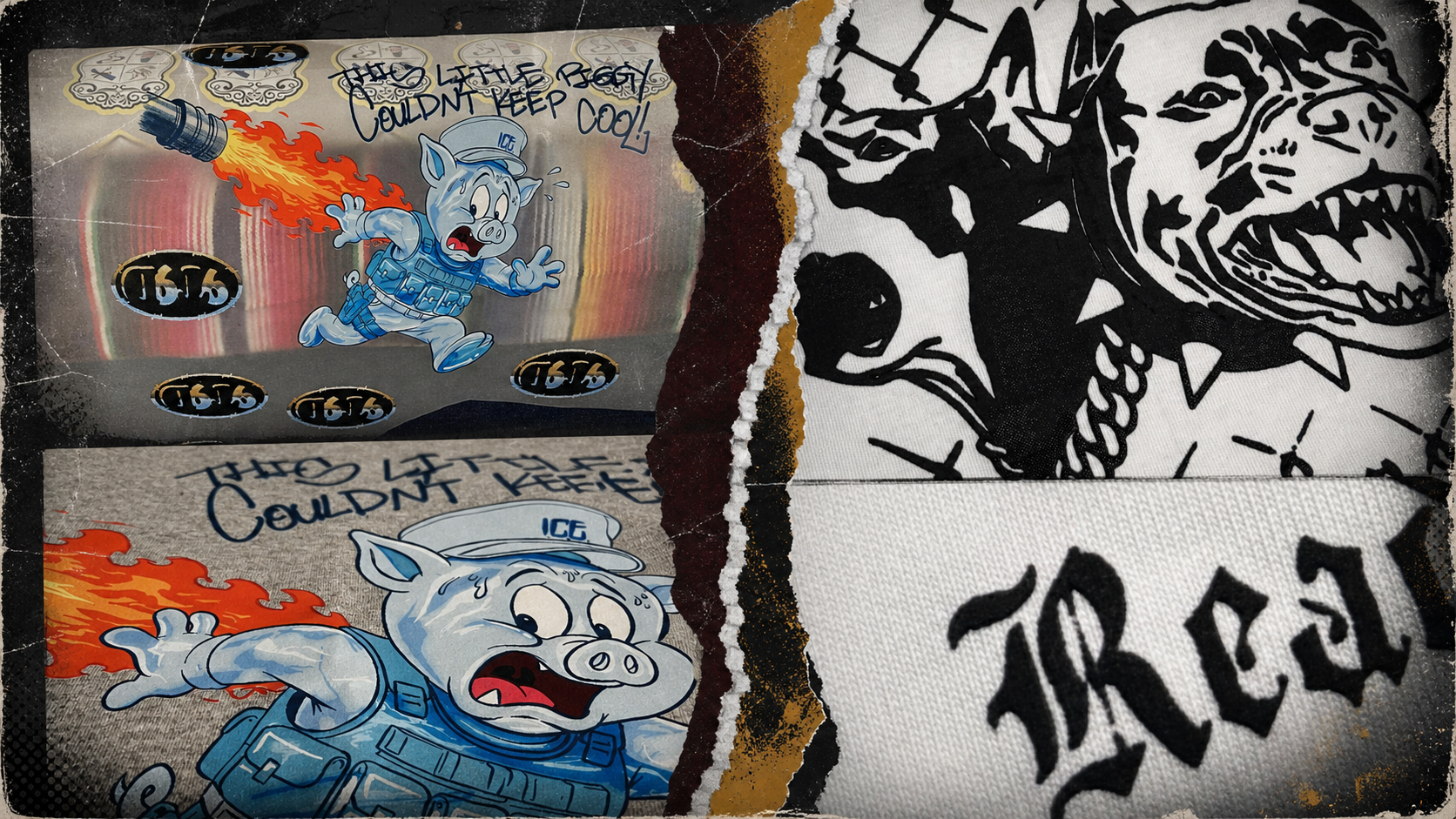
DTF is more cost effective for a lot of projects. It is easier to work with when the
design has a lot of colors, gradients, small details, or when somebody only needs a few
pieces. The process is built for flexibility: the artwork is printed onto PET film,
adhesive powder is applied, the transfer is cured, and then it is heat pressed onto the
garment. That means no screens, no separations, and no setup for every single color.
That is powerful. DTF gives me the ability to take your full-color design and see it
printed on a shirt fast. It lets your art walk around like a moving gallery. Somebody
loved your vision enough to buy it, wear it, and carry it through the world. That is a
beautiful thing.
But screen printing is different to me.
Screen printing is a whole art in itself. You are not just printing to make money.
You are taking something from your mind, moving it through software, film, mesh, ink,
pressure, and finally into a real piece someone can wear.
The Real Difference
Screen printing uses a stencil on a mesh screen. Ink is pushed through the open areas of
that stencil with a squeegee. Each color usually needs its own screen, which means more
setup time, more registration, and more cleanup.
DTF, short for direct-to-film, is a digital transfer process. The design is printed in
full color onto film, powdered with adhesive, cured, and pressed onto the garment with heat.
Quick fact: DTF usually makes more sense for small runs, colorful designs,
samples, and fast turnaround because it does not require a separate screen for each color.
Screen printing often becomes more efficient when the order is larger and the design is
simple enough for repeat production.
Why DTF Wins Sometimes
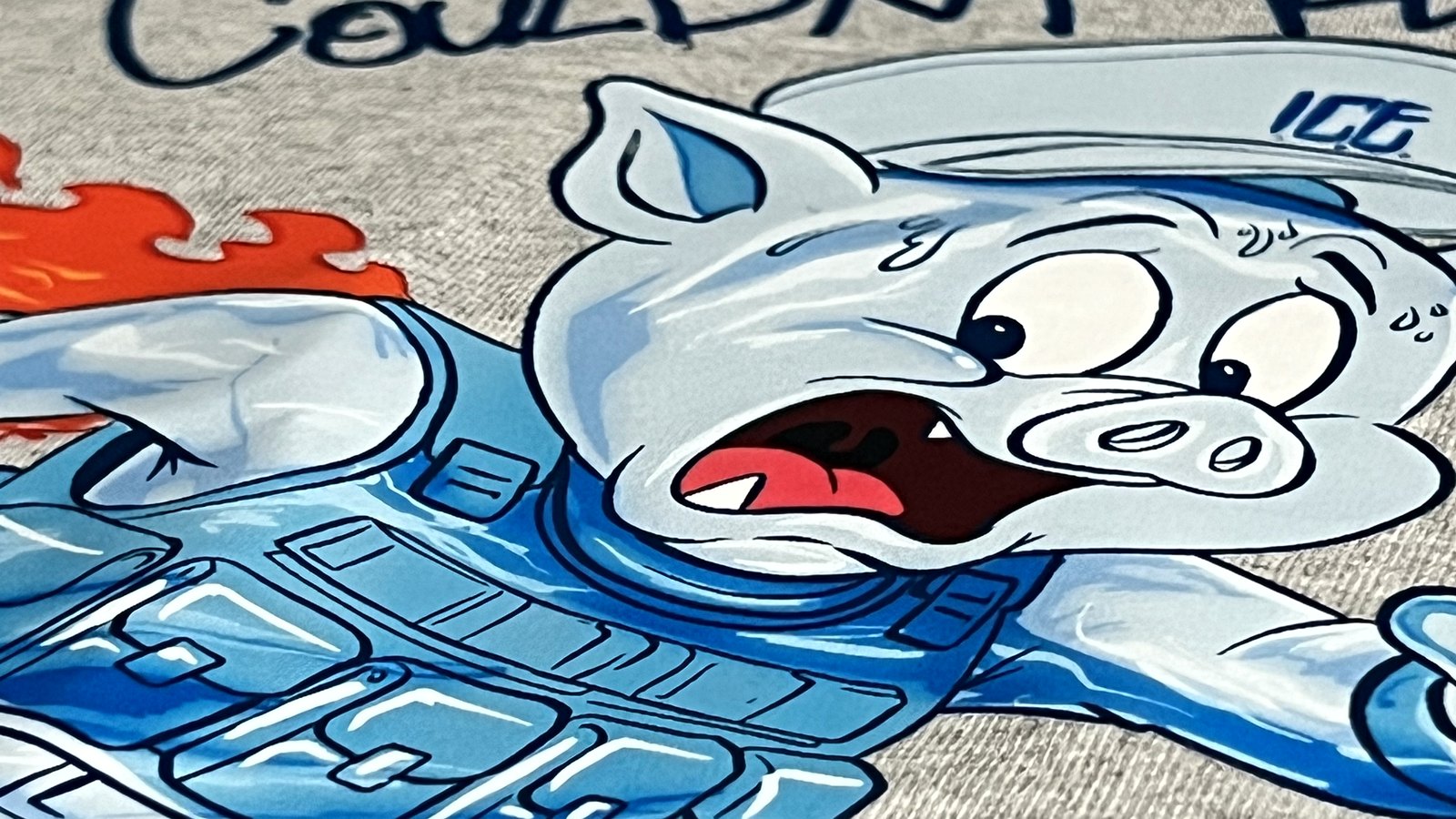
DTF is practical. If your artwork has five, ten, or twenty colors, DTF does not care the
same way screen printing does. A full-color design can be printed in one digital process.
That makes it great for detailed illustrations, photo-style graphics, short runs, test
drops, and custom orders.
It also works across a wide range of fabrics. Cotton, polyester, blends, dark garments –
DTF is flexible. For artists and brands that want to test ideas without committing to a
huge order, that matters.
If your main goal is to get your design onto a shirt quickly and affordably, DTF might
be the move.
Why Screen Printing Still Has My Heart
Even with all that, if you ask me my preference, I am going to tell you screen print every time.
Yes, it is more work. The designing, the coating of the screen, the burn, the washout,
the setup, the test print, the production, the cleanup, and the wear and tear on your body.
It is a lot.
But that is also what makes it feel alive.
With screen printing, I feel like I have my hand in the whole process from design to mockup
to final product. Every decision changes the outcome: mesh count, ink type, pressure,
off-contact, squeegee angle, cure, placement, and color order. There are so many places
where you can show your style.
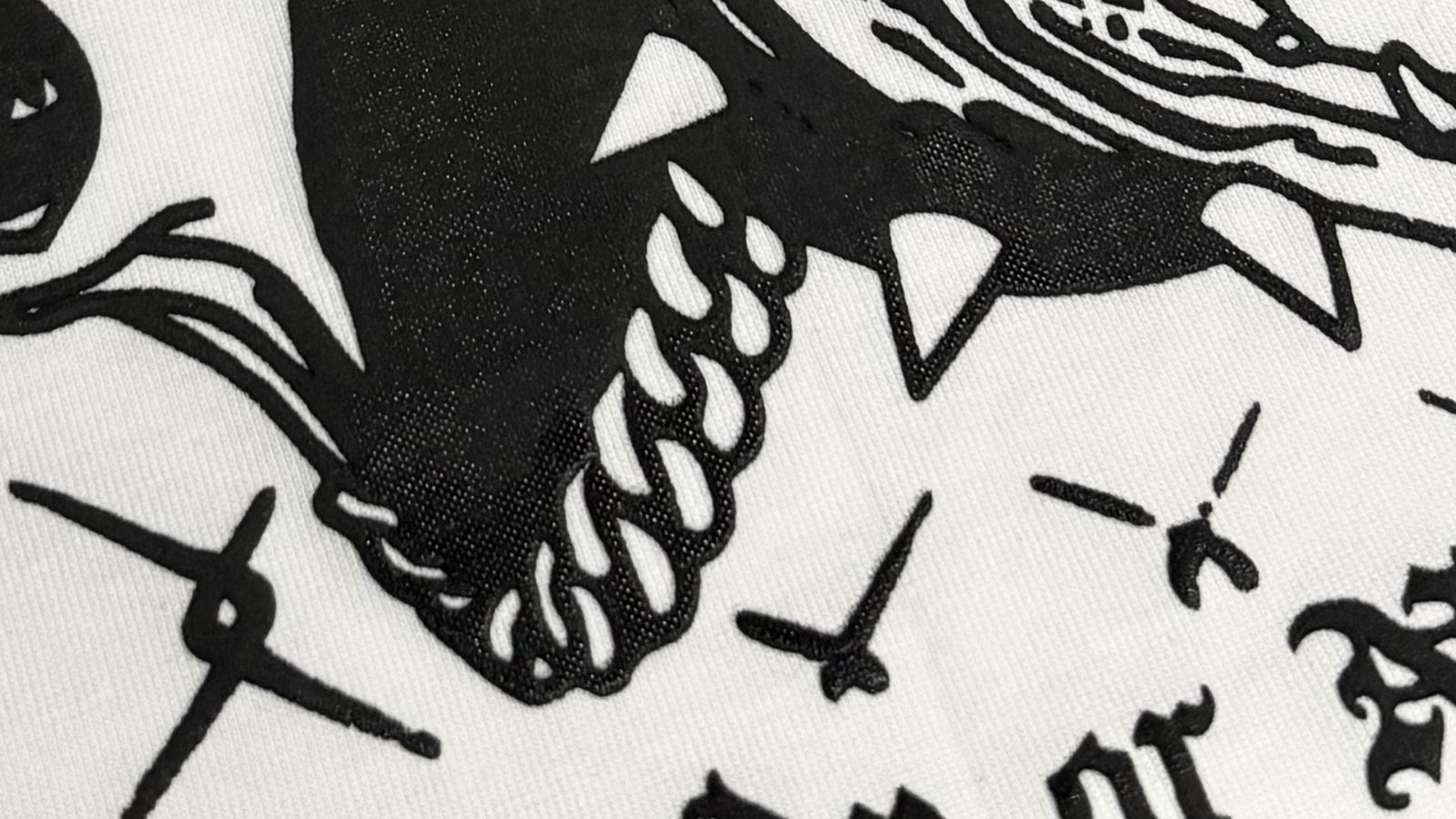
You can print puff ink and give the design a raised texture. You can use reflective ink and
make the artwork light up when a flash or headlights hit it. You can use glow, metallic,
high-density, or color-changing inks. Those effects are where screen printing becomes more
than decoration. It becomes a physical art object.
That is where DTF can fall short for me. DTF is clean, flexible, and useful, but screen
printing gives you texture, pressure, imperfection, and personality.
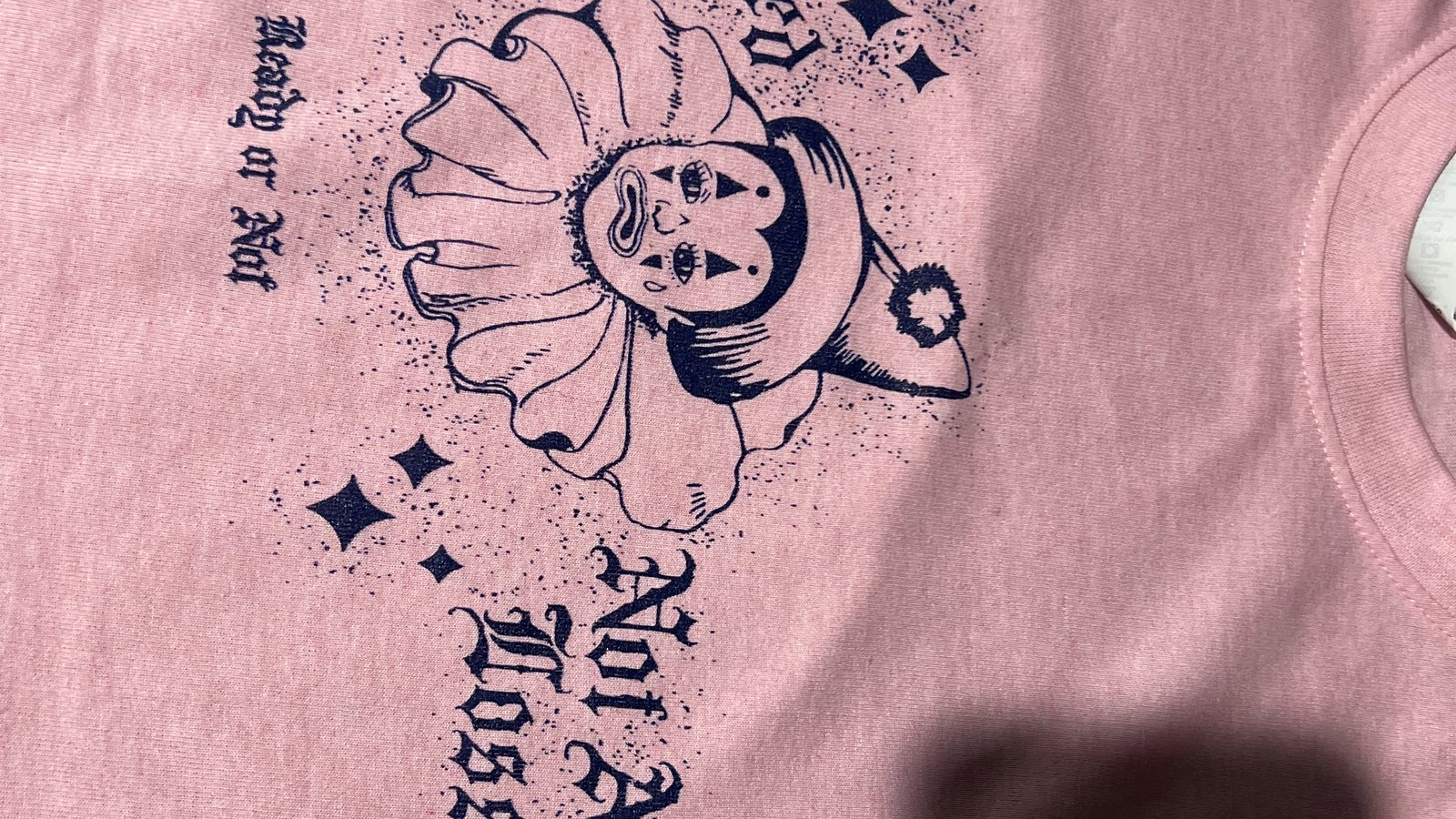
Pros and Cons
Screen Printing Pros
- Best for larger runs of the same design.
- Strong classic print feel.
- Great for bold spot-color artwork.
- Can use specialty inks like puff, reflective, glow, metallic, and high-density.
- Feels handmade and fully involved.
Screen Printing Cons
- More setup time.
- Each color can require its own screen.
- Less cost effective for small full-color runs.
- More cleanup and labor.
- Harder on the body.
DTF Pros
- Great for full-color artwork.
- Strong option for small runs and samples.
- No screen setup per color.
- Works on many fabric types.
- Fast way to get detailed art onto apparel.
DTF Cons
- Less hands-on craft feeling.
- Can have more of a transfer feel on large prints.
- Not the same range of specialty ink effects.
- Less of that analog screen print texture.
- Not always the best choice for big simple production runs.
So Which One Should You Choose?
At the end of the day, it depends on the goal.
If you want a full-color design, a small batch, a sample, or a quick drop, DTF might be
perfect. If you want something bold, tactile, handmade, and full of process, screen printing
might be the way.
But honestly, print what you want how you want. Just get your vision out.
Chances are, somebody out there has been waiting to own a piece of your art and wear it proudly.
For me, screen printing is hard to call work because I love doing it. We put energy into
what we make, and that energy transfers into the final piece. That is what makes the print feel alive.
Need help choosing?
If you are not sure whether screen printing or DTF is the better move, send the artwork,
quantity, shirt color, and deadline. Da Mouse Trap can help you choose the print method
that fits the design, budget, and final look.
Start a Custom Quote
View Print Services
Screen Printing in Los Angeles
References:
Screen printing process:
World of Printmaking
DTF process:
STS Inks
DTF vs screen printing comparison:
The Tee Hive
Specialty inks:
International Coatings
Leave a Reply